Caring for Tinted Windows: Practical Rules to Keep the Film Looking Great for a Long Time

9 tips for tint care to extend their lifespan

car window tint are often chosen for appearance first, but in practice they also have a noticeable effect on everyday comfort. The right film reduces excess sunlight, improves cabin comfort, lowers fatigue from direct glare, and helps the interior age more slowly. That is why window tinting is only the beginning. What matters just as much is how the windows are treated in the following days, weeks, and months.

The goal of proper aftercare has two parts. The first is to preserve visual quality: no bubbles, scratches, edge lifting, hazy patches, or uneven-looking sections. The second is to preserve function: the film should continue to provide the comfort it was chosen for — reducing glare, helping with heat control, and creating a calmer environment inside the cabin.

The Most Important Period — The First Few Days After Tint Installation

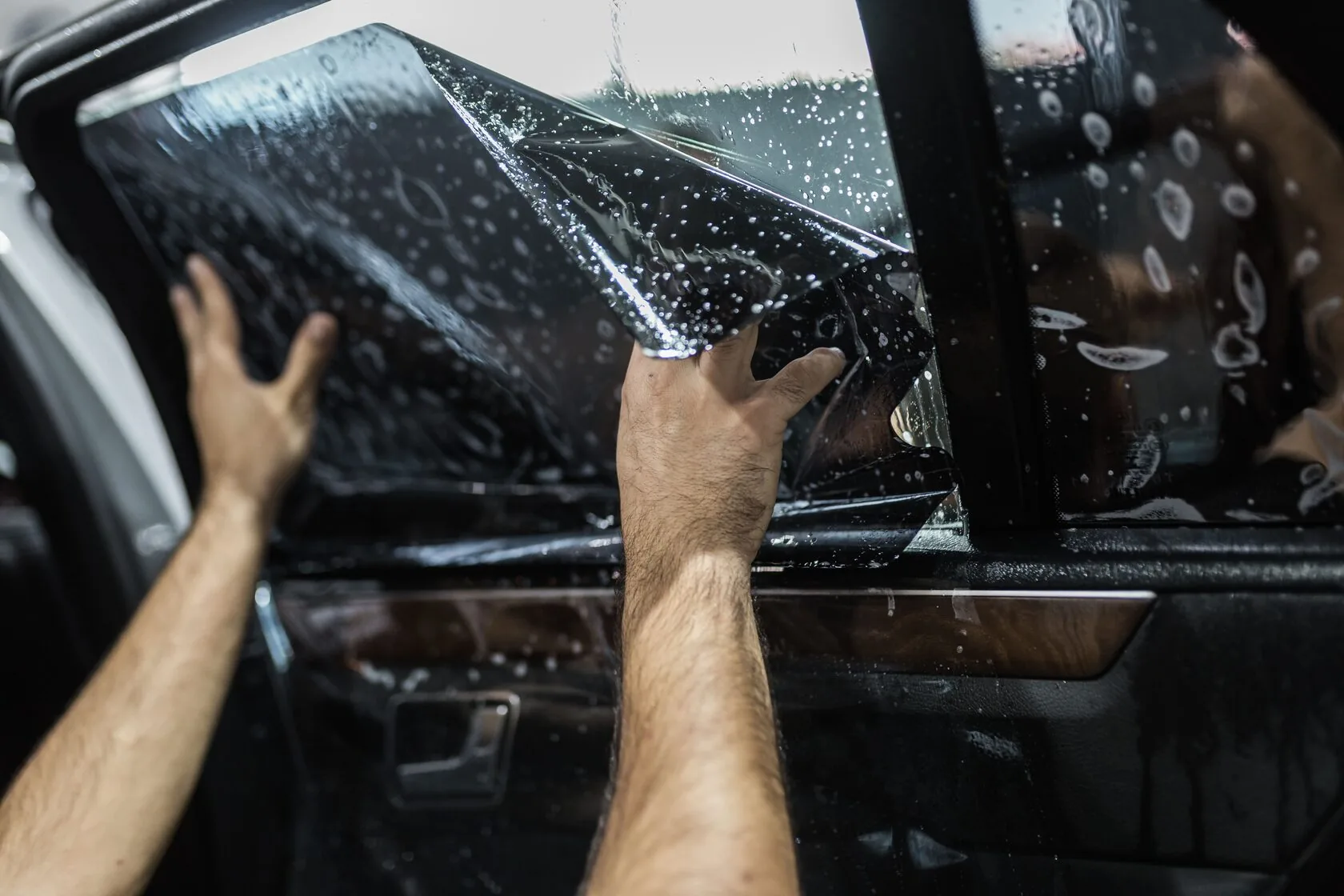
The first days after installation are the most sensitive stage. During this period, the remaining installation moisture dries out, the film settles onto the glass, and the adhesive stabilizes. That is why unnecessary interference right away is one of the most common reasons a new tint result is spoiled too early.

The first practical rule is simple: do not roll the windows down for several days. The exact period depends on weather, temperature, and humidity, but in practice the safest guideline is usually at least 3 to 5 days, and sometimes longer if the weather is cold or humid. If the glass keeps moving up and down too early, the edges can be stressed mechanically before the film has fully settled.

It is also normal to notice a light haze, tiny moisture dots, or marks that look like residual water during the first few days. That does not automatically mean anything is wrong. In many cases it is simply part of the normal drying process and disappears on its own. What is not normal is sharp permanent bubbles, obvious edge lifting, or visible deformation that remains after enough time has passed.


When You Can Wash the Windows

The most common question is: “When can I wash the windows?” The safe answer is that the inside of a tinted window should not be cleaned before the film has had enough time to settle properly. Usually that means at least several days, and in some cases about a week. If the studio gave you a specific recommendation, that recommendation should come first, because installation conditions are never exactly the same.

car wash is less risky because the film is installed on the inside of the glass. Still, in the first days after tinting it is wise to avoid overly aggressive washing, strong chemicals, and any process that puts too much pressure on the window edges. This is especially true with automatic wash systems that use brushes or uncontrolled contact.

How to Clean Tinted Glass Properly

The main principle of tinted-window care is simple: less aggression, more care. In everyday use, the best option is a clean microfiber towel and a glass cleaner that is safe for window film. If you do not have a dedicated tint-safe product, a mild and neutral formula is far better than something strong and harsh.

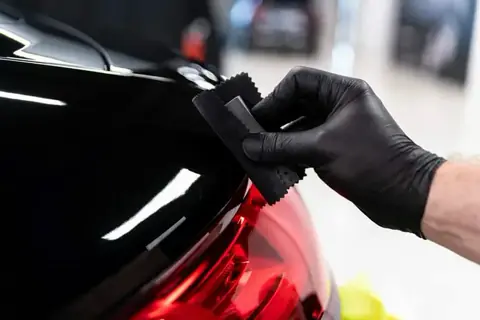
How you clean matters just as much as what you use. Excessive pressure, rough repeated rubbing, and dirty cloths are common sources of micro-scratches. The glass should be cleaned lightly, with even movements and a truly clean towel. If the towel already contains dust, sand, or other solid particles, it can become abrasive by itself.

A good habit is to use two separate microfiber towels — one for cleaning and one for final drying. This reduces streaking and puts less stress on the film. On the inside of the glass, it is especially important to be careful near the upper edge, where problems most often begin if cleaning is rough.

Which Chemicals Damage Window Tint

One of the biggest enemies of window film is the wrong chemistry. The most common issue comes from strong products designed for plain glass, not for film. Ammonia-based cleaners are especially undesirable, as are aggressive solvents and strong degreasing formulations that can weaken the surface or affect the adhesive over time.

The practical rule is simple: if you are not sure whether a product is tint-safe, do not use it on the inside of the glass.

7 Things You Should Never Do
  1. Do not roll the windows down too early after installation.
  2. Do not scrub the inside aggressively in the first days.
  3. Do not use ammonia-based cleaners.
  4. Do not clean with dirty or rough towels.
  5. Do not attack edge areas with excessive pressure.
  6. Do not try to fix lifting edges yourself with glue or random tools.
  7. Do not assume that every small moisture mark is a defect on day one.

Most film problems do not start because the tint was inherently bad. They start because the aftercare was careless.

How to Tell That the Film Is Starting to Have a Problem

A few signs are worth paying attention to:

  • edge lifting;
  • large bubbles that do not go away after the drying period;
  • visible distortion;
  • scratches on the inside surface;
  • haze or patchiness that keeps getting worse instead of better.

If you notice those signs, it is better to show the car to a professional studio rather than experiment on your own.

Is Professional Aftercare Necessary?

In many cases, routine home care is enough if it is done correctly. But a professional studio is useful when:

  • you are unsure whether what you see is normal drying or a real problem;
  • the edge has started to lift;
  • the film was exposed to damage;
  • you want the car checked and cleaned correctly after installation.

The advantage of a professional studio is not only installation quality, but also knowing how to work with the film afterward. This matters even more for cars that are washed often, used actively in the city, or spend a lot of time in direct sun.

If You Are Only Planning Tinting

A lot of future care quality begins with the quality of the installation itself. Good installation, the right film choice, and attention to detail make long-term maintenance much easier. According to BESTAUTO’s current public price list, the starting tint prices are:

  • rear side windows — from 130 GEL
  • front side windows — from 130 GEL
  • rear windshield — from 160 GEL
  • front windshield — from 290 GEL

These prices are useful both for people planning the service for the first time and for those who want a better result after an older, low-quality film.

If tint is done correctly from the start and basic care rules are followed afterward, the film keeps its smooth look, clean appearance, and practical effect for much longer. Good results always come from two things together: quality installation and correct maintenance.

Frequently Asked Questions
When can I roll the window down after tinting?

The safest option is to wait several days. The exact timing depends on the weather and installation conditions, but 3 to 5 days is often treated as the minimum careful period.

Can I clean the inside of the glass right away?

It is better not to. The film needs time to settle and dry properly. Cleaning too early increases the risk of damage.

What kind of cloth should I use?

A soft, clean microfiber towel is the safest choice.

Which chemicals are undesirable?

Ammonia-based cleaners and aggressive solvents are the main ones to avoid.

Do small bubbles always mean there is a problem?

No. Small moisture marks can be a normal part of the drying stage right after installation.

If the edge starts lifting, can I glue it back myself?

That is not recommended. It is better to let a professional studio inspect it.

How often should tinted glass be cleaned?

As needed, but gently and with safe products. Regular careful maintenance is better than rare aggressive cleaning.

Small Tips for Seasonal and Everyday Use

In summer, pay extra attention to a car that spends a long time in direct sun. In winter, avoid harsh cleaning on very cold glass. It is also best not to attach stickers, suction accessories, or anything else that puts extra stress on the film surface, especially soon after installation.

Overall, caring for tinted windows is not complicated if you follow a few basic rules: do not rush the first cleaning, avoid harsh chemicals, treat the edges carefully, and contact professionals at the first sign of trouble. That way, the tint will keep both its visual effect and the comfort you installed it for.

Order professional windshield chip repair service

Our detailing studio gets things done to a good quality
Real reviews from our clients
Google Reviews
4.8 ★★★★★ (185)
View all reviews on Google
Why Choose Our Detailing Center?
You'll love the result
  • 5 Years of Detailing Experience
    Professional wrapping of hundreds of cars of different makes and models
  • 2 Studios in Tbilisi
    Guramishvili 78 and Anna Politkovskaya 51 — choose a convenient location
  • 2,000 Satisfied Clients
    Hundreds of reviews, 4.9★ rating on Google
  • 10-Year Film Warranty
    We cover peeling, yellowing, and material defects

Order professional window tinting

Our detailing studio will handle your task with quality

Book a consultation

Choose the nearest studio
for a free consultation

Free inspection, pre-consultation and booking for main services available at both locations

BESTAUTO Guramishvili
Tbilisi, Guramishvili Ave. 78
BESTAUTO Guramishvili

Tbilisi, Guramishvili Ave. 78

+995 550 000 299
Mon–Sat 10:00 – 20:00
Enter phone in international format: +995 5XX XXX XXX
Request sent!
We will call you back within 15 minutes.
Or call us: +995 550 000 299
BESTAUTO Saburtalo
Tbilisi, Anna Politkovskaya St. 51
BESTAUTO Saburtalo

Tbilisi, Anna Politkovskaya St. 51

+995 550 000 199
Mon–Sat 10:00 – 20:00
Enter phone in international format: +995 5XX XXX XXX
Request sent!
We will call you back within 15 minutes.
Or call us: +995 550 000 199
Chat on WhatsApp
Choose your studio
Guramishvili Studio
78 Guramishvili St
Saburtalo Studio
51 Anna Politkovskaya St
Book a Free Inspection