PPF Film Care: The Basic Rules

Caring for your PPF-wrapped vehicle - in-depth information on extending PPF lifespan, what can damage it, and how to maintain it

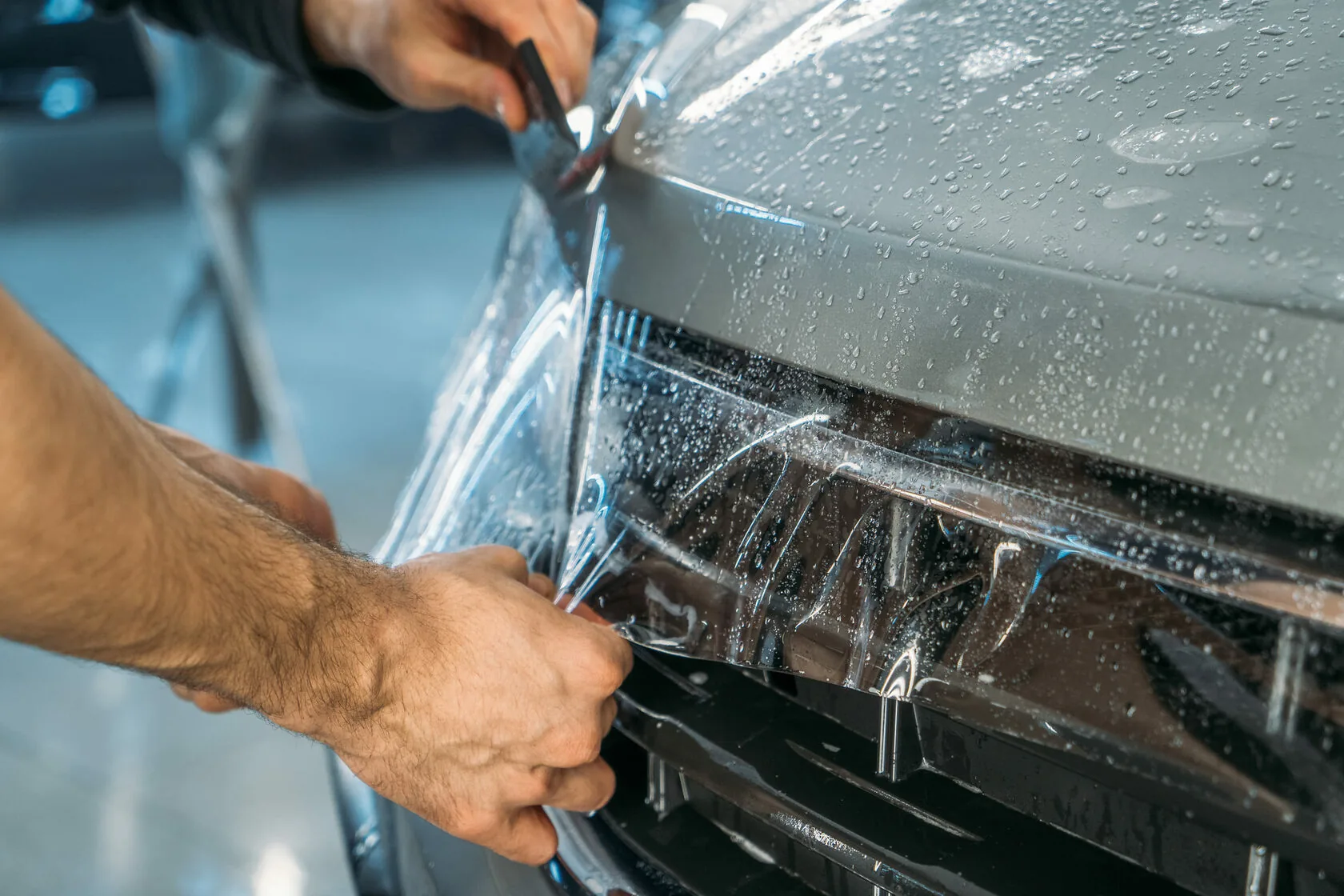
ppf for car is one of the best ways to protect automotive paint from everyday damage. The film takes part of the impact from small stones, light scratches, road grime, chemicals, and sun exposure. But it does not belong to the “install it and forget it” category. If you want the film to work well for years, proper care has to become part of the routine from the beginning.

This matters even more in Georgia and especially in Tbilisi, where a car is exposed to dust, strong summer sun, stones on highway drives, winter moisture, and sometimes harsh chemistry during improper washing. That is why the real-life performance of PPF depends not only on installation quality, but also on how the car is treated in the following weeks, months, and years.

If your vehicle is wrapped at BESTAUTO with Llumar, Quantum, or LuxArmor PPF, the core maintenance logic is the same: safe washing, careful treatment of edges, avoiding aggressive chemicals, and having the film checked if anything starts to look suspicious.


Why PPF Care Matters at All

Many owners assume that once the car is protected, there is no need to think about maintenance anymore. In reality, PPF creates an additional physical barrier, but that barrier still needs correct handling. Harsh brushes, bad chemicals, a pressure washer used too close to the edges, dried bird droppings, tree sap, and bug residue can all shorten the visual life of the film and reduce how well it looks.

The main goals of proper PPF care are simple:

  • keep the film clean and visually even;
  • preserve its protective properties for as long as possible;
  • avoid early edge lifting, cloudiness, and unnecessary surface wear.

So maintenance is not just about appearance. A well-cared-for PPF surface continues to do its main job better: it takes the abuse that would otherwise land directly on the paint.

The First Few Days After Installation

One of the most common mistakes happens right after installation. The film is already on the car, everything looks finished, and the owner assumes the vehicle can immediately be washed normally, taken through an automatic wash, or blasted with high-pressure water. That is not the best approach.

After installation, it is always smart to follow the specific recommendations given by the studio. In practice, the safest approach in the first days is to use the car gently, avoid automatic brush washes, and do not direct strong high-pressure water at the film edges. In some cases the film needs time to fully settle and stabilize on the surface.

During this early period, it is also best to avoid excessive rubbing by hand, especially around edges, seams, and complex contours. If the car is simply dusty, a gentle maintenance approach is better than aggressive cleaning.

How to Wash a Car Covered with PPF Properly

The best washing method for PPF is a safe car wash or a detailing wash that knows how to work with film-covered cars. The principle is straightforward: the less harsh friction and the more control you have over the process, the better the result.

A correct washing routine usually looks like this:

  1. pre-rinse to remove loose dust and grit;
  2. a neutral or safe pH shampoo;
  3. a soft wash mitt or clean microfiber;
  4. careful rinsing without excessive pressure at steep angles;
  5. drying with a microfiber towel by blotting or gently laying the towel over the panel instead of scrubbing.

The worst combination for PPF is a dirty brush, excessive pressure, and rough drying. That is exactly how unnecessary micro-damage appears — damage that owners later blame on the film instead of the wash routine.

What Chemicals Are Safe — and What Should Be Avoided

Chemical choice matters a lot with PPF. Safe products are gentle, automotive-specific, neutral or close-to-neutral pH shampoos that do not contain overly aggressive solvents. Products like that help preserve the surface finish and reduce the risk of early dullness or clouding.

It is best to avoid:

  • harsh solvents;
  • strong acids or strong alkaline products unless they are specifically designed for film-safe use;
  • abrasive compounds and hard scrubbing materials;
  • random household cleaners;
  • aggressive tar or stain removers used without understanding the film surface.

That does not mean PPF is fragile. It means the best results come from smart care rather than rough treatment.

Pressure Washer Use: Is It Allowed and How Exactly?

A pressure washer is not automatically a problem. Used correctly, it is perfectly acceptable. The issue is how it is used.

A pressure washer becomes risky when:

  • the nozzle is held too close to the surface;
  • water is aimed directly into the film edges at an aggressive angle;
  • pressure is unnecessarily high;
  • the operator lingers too long in one area.

The practical rule is simple: keep a safe distance, avoid directing the stream straight into the edges, and do not try to “peel dirt off” with sheer pressure. PPF is durable, but the edges still deserve respect.

What Should Not Stay on the Surface for Too Long

One of the most common reasons film starts to look older sooner is not the washing itself, but leaving contaminants on it for too long. The most important examples are:

  • bird droppings;
  • tree sap;
  • bug splatter;
  • heavy mineral spotting after water dries on the surface;
  • aggressive road contamination.

The safest approach is to remove these things as soon as practical. The longer they stay on the surface — especially in hot sun — the more likely they are to leave visible marks or create extra cleaning difficulty later.

How to Dry the Car Properly

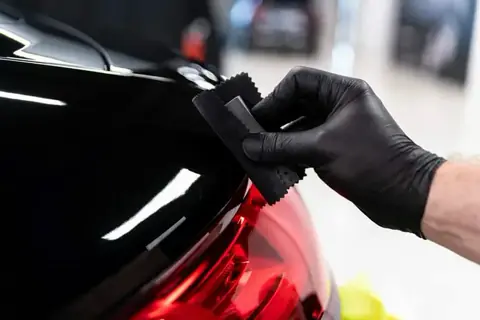
Drying matters almost as much as washing. A rough, dirty towel can easily undo the benefits of a careful wash. The safest method is to use a clean, soft, high-quality microfiber towel and dry with gentle pressure. Blotting and controlled wiping are always better than aggressive rubbing.

This is especially important on darker cars and on vehicles that spend a lot of time in direct sunlight, where any visual wear becomes noticeable faster.

Why Automatic Brush Washes Are Not the Best Option

Automatic brush washes are attractive because they are quick. The problem is that the brushes often carry contamination from previous cars and create the kind of repeated friction that both film and paint dislike. Over time, that can reduce the visual quality of the film much faster than owners expect.

If you care about how the film looks, automatic brush washes are usually not the smartest long-term option. Touchless washing is better than brushed automatic washing, but a careful hand wash remains the safest routine.

Seasonal Care: Summer, Winter, and Highway Use

PPF care changes slightly with the season and the type of driving.

In summer, the main problems are strong sun, bug splatter, sap, and dried contamination. These should not sit on the surface for long.

In winter, moisture, road grime, and harsher chemistry become more relevant. It is especially important not to leave contamination on the lower sections for too long.

If the car spends a lot of time on the highway, the front end, mirrors, headlights, and hood edge need more frequent visual checks because those zones take the most abuse.

Signs That the Film Should Be Checked by a Studio

A professional inspection is a good idea if you notice:

  • edge lifting;
  • unusual cloudiness or dull patches;
  • contamination trapped near seams;
  • suspicious marks that do not wash off normally;
  • any area that looks stretched, cut, or compromised.

An early inspection often helps prevent a small issue from becoming a bigger one.

How Maintenance Affects the Real Service Life of the Film

The real service life of PPF is influenced by material quality, installation quality, climate, use conditions, and maintenance. Proper care will not make poor material perform like premium film, but it absolutely does help good film stay visually cleaner and functionally more stable for longer.

Poor maintenance does the opposite: it accelerates visual fatigue, creates unnecessary surface wear, and can make even high-quality film look older than it should.

Short FAQ
How often should a PPF-covered car be washed?

As often as needed to prevent contamination from sitting too long. There is no fixed universal interval, but it is better to wash regularly and safely than rarely and aggressively.

Can I use wax or extra protective products?

Sometimes yes, but the product must be film-safe. Random products are not a good idea. If you are unsure, ask the studio that installed the film.

If the film is self-healing, does that mean it no longer needs care?

No. Self-healing properties help with light surface marks, but they do not replace proper washing and sensible maintenance.

When is the best time for a preventive inspection?

A check is useful whenever you notice anything suspicious, and it is also smart after long highway travel, harsh seasons, or before problems become obvious.

Conclusion

PPF is one of the most practical ways to protect a car’s paint, but the film works best when everyday care supports it instead of wearing it down. Safe washing, sensible chemical choices, careful drying, and timely inspections make a real difference.

The logic is simple: the better you treat the film in daily use, the longer it keeps both its clean appearance and its real protective value.

Order professional PPF wrapping

Our detailing studio gets things done to a good quality
Real reviews from our clients
Google Reviews
4.8 ★★★★★ (185)
View all reviews on Google
Why Choose Our Detailing Center?
You'll love the result
  • 5 Years of Detailing Experience
    Professional wrapping of hundreds of cars of different makes and models
  • 2 Studios in Tbilisi
    Guramishvili 78 and Anna Politkovskaya 51 — choose a convenient location
  • 2,000 Satisfied Clients
    Hundreds of reviews, 4.9★ rating on Google
  • 10-Year Film Warranty
    We cover peeling, yellowing, and material defects

Order professional PPF wrapping

Our detailing studio will handle your task with quality

Book a consultation

Choose the nearest studio
for a free consultation

Free inspection, pre-consultation and booking for main services available at both locations

BESTAUTO Guramishvili
Tbilisi, Guramishvili Ave. 78
BESTAUTO Guramishvili

Tbilisi, Guramishvili Ave. 78

+995 550 000 299
Mon–Sat 10:00 – 20:00
Enter phone in international format: +995 5XX XXX XXX
Request sent!
We will call you back within 15 minutes.
Or call us: +995 550 000 299
BESTAUTO Saburtalo
Tbilisi, Anna Politkovskaya St. 51
BESTAUTO Saburtalo

Tbilisi, Anna Politkovskaya St. 51

+995 550 000 199
Mon–Sat 10:00 – 20:00
Enter phone in international format: +995 5XX XXX XXX
Request sent!
We will call you back within 15 minutes.
Or call us: +995 550 000 199
Chat on WhatsApp
Choose your studio
Guramishvili Studio
78 Guramishvili St
Saburtalo Studio
51 Anna Politkovskaya St
Book a Free Inspection