It's an ideal environment and situation!
Reliable protection for your car's body from scratches, chips, and UV rays. Vinyl use to preserve your vehicle's beauty
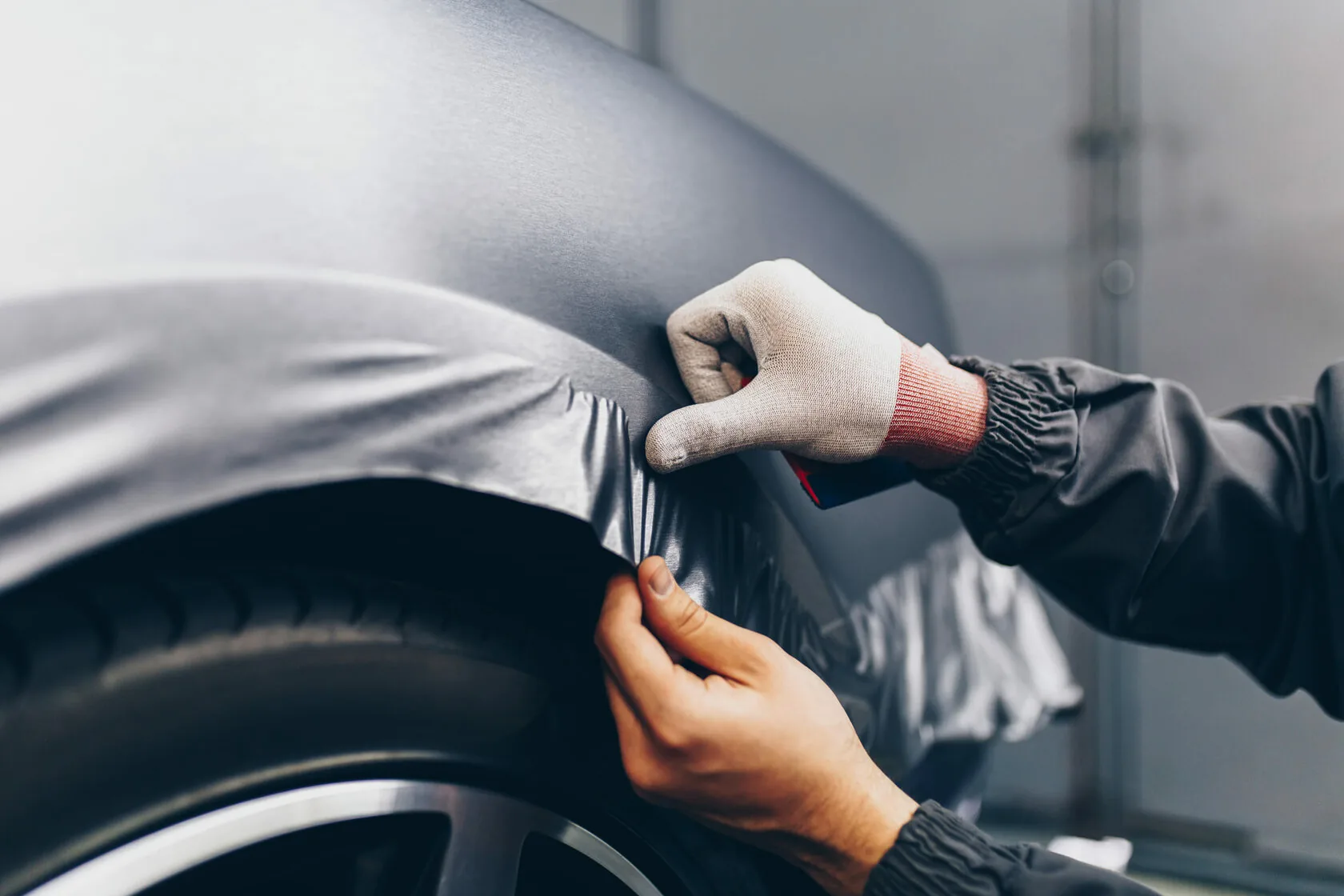
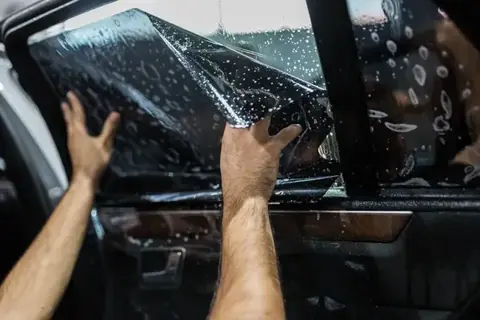
When it comes to a car’s appearance and body protection, the same question comes up again and again: what is the better choice—vinyl wrap or PPF? From the outside, both services look like “wrapping a car in film,” so many drivers assume the result is almost the same. In reality, these materials have different purposes. In one case the emphasis is on visual effect, style, and color change. In the other, it is on real physical protection of the body in daily use.
This is exactly where the main confusion begins. If you want to change the look of a car without repainting it, add a new texture, get a matte or gloss finish, do an anti-chrome treatment, or personalize the design, vinyl can indeed be a good solution. But if the main task is to protect factory paint from stone chips, highway damage, light scratches, and daily wear, then in most cases car ppf—is the better choice.
In this article, we break down the difference in practical terms: what vinyl gives you, what PPF gives you, how both films work against UV, what happens in the case of scratches and chips, when it makes sense to choose design first, and when it is wiser to invest in stronger protection from the start.

The reason is simple: in both cases, a film is applied to the surface of the car. Visually the service looks similar, but the material properties and final purpose are very different.
Vinyl wrap is mainly used:
PPF, on the other hand, is designed first and foremost to:
So the better way to ask the question is this: what kind of result do you expect—visual transformation or real protection?
vinyl wrap’s strongest side is aesthetics. That is why it is popular among people who want to change the character of a car without a full repaint. You can choose a different color, a different texture, create contrasting elements, change the appearance of chrome trim, or simply refresh the look without directly altering the factory paint.
Vinyl does help the surface to some extent as well. For example, it can partially reduce traces of light daily friction, dust, and some superficial impacts. On a certain level, it also reduces direct sun exposure to the paint. But it is very important to say this honestly: vinyl is not usually the material people choose when the priority is protection from stones, chips, and serious mechanical wear.
In other words, vinyl can be a good option for style and visual refresh, but if the car is used actively every day and you truly want to preserve the body as much as possible, vinyl alone is usually not enough.
PPF stands for Paint Protection Film—a protective polyurethane film created not for decoration, but specifically for protection. Its core idea is to create a physical barrier between the paintwork and the outside world. That is why PPF is usually chosen by owners who think not only about beauty, but also about genuinely preserving the surface.
PPF is especially effective on areas that are damaged most often:
City driving, highway use, washing, dust, sand, small stones, and road debris leave marks on almost every car over time. And it is exactly against this daily wear that PPF works much more convincingly than classic vinyl wrap.
When talking about UV protection, one thing is important to understand: both films help the surface to some degree because the paint is no longer constantly exposed to direct sunlight. But even here, the task and the final effect are different.
With vinyl, the main purpose is still visual. It partially reduces the direct effect of the sun on the color and can help preserve a more even appearance for longer, especially if the car is parked in the sun often. But its primary value still lies in styling and changing the look of the car.
With PPF, UV protection is part of a broader logic. The film not only helps preserve the color, but also helps the entire surface stay in better condition for longer. If the car is new, dark-colored, or if it matters to you to keep a factory-fresh look as long as possible, PPF is usually the more stable and practical option. So if the question sounds like “Which film helps preserve a beautiful appearance for longer?” the answer usually leans toward PPF, because it not only keeps the look—it adds real protection.
In daily life, scratches do not appear only because of accidents. More often, the problem starts in ordinary situations:
Vinyl can partially soften the effect, especially when it comes to superficial contact. But if the driver wants more than a decorative layer and needs a higher level of everyday protection, the advantage of PPF becomes obvious. This material was specifically created to take some of the impact onto itself and keep it away from the paint.
That is why one practical conclusion keeps repeating itself in articles about polishing, ceramic coating, and body protection: if the priority is real protection rather than just a nice look, PPF is the better choice in most cases.
This is where the difference between the two materials becomes especially clear.
If a car often drives on highways, spends time at higher speeds, or travels on construction, dusty, or rough roads, the front end almost always receives micro-damage first. The first marks usually appear on the bumper, hood, headlights, and mirrors. And in exactly these areas, classic vinyl often stops being the best long-term solution.
PPF is far more logical in these conditions. That is why many drivers who actually use their cars, rather than simply keeping them pretty on a parking space, choose either a front high-risk PPF package or a full wrap. This approach is especially justified for new cars, freshly painted panels, dark colors, and vehicles the owner wants to keep in excellent condition for years.
To be fair, vinyl has one very strong side. If the main goal is to:
then the vinyl direction—or color wrapping in general—is indeed more suitable.
According to BESTAUTO’s current public pricing page, color change with protective film starts from 9000 GEL, while anti-chrome work starts from 300 GEL. This is an important detail, because many clients search for “vinyl” in general, but in practice a decorative film alone may not be the best fit for them. If they want both a new look and a higher level of protection, a color change using a protective film may be the more relevant solution.
That leads to a very practical question: if you are already planning to radically change the appearance of the car, why not choose a solution that gives you real protection together with style?
PPF is especially justified if:
According to BESTAUTO’s current pricing page, a full PPF wrap starts from 7500 GEL, while the front high-risk package—meaning the hood, front bumper, headlights, and pillars—starts from 2500 GEL. As separate items, hood protection starts from 800 GEL, bumper protection starts from 900 GEL, and headlight protection starts from 350 GEL. This means protection can be selected either all at once or gradually, starting with the areas where the risk is highest.
When it comes to PPF, the brand really does matter, but it should be filtered correctly. Here we talk only about the brands BESTAUTO actually works with: Llumar, LuxArmor, and Quantum.
This matters for two reasons. First, it keeps the discussion focused on films that are actually used in real projects, not random names from the internet. Second, it only makes sense to discuss material seriously when the studio has real installation experience, understands the technology, and has a proper installation culture.
At the same time, the final result depends not only on the film name. A lot depends on:
So in practice, the question “What is better—vinyl or PPF?” often turns into a more accurate one: “Which material matches my task, and who can install it properly?”
Formally, it is true that both films have their own purpose. But in practice, when a driver says, “I want to protect my car,” they usually do not mean design—they mean preventing damage. And that logic almost always leads toward PPF.
Vinyl is good when you want a visual identity. PPF is good when you want protection. If protection is your priority, the choice usually becomes quite direct. That is why in materials about polishing, ceramic coatings, color changes, and body protection, we keep coming back to the same recommendation: if you want to protect the body as much as possible, in most cases the best answer is PPF film.
This is especially relevant for cars that:
Vinyl and PPF do not replace each other—they solve different tasks. Vinyl is stronger for style, design, and changing the appearance. PPF is stronger for protection, preserving the surface, and reducing wear from everyday use.
If your main goal is simply to make the car look different, the vinyl route may be absolutely right. But if you want the body to be genuinely better protected from UV, superficial scratches, minor highway impact, and daily wear, then in most cases it makes more sense to choose not just a decorative color film, but PPF or a color change done with protective film.
The final decision always depends on how the car is used, your budget, and your priorities. But one thing is confirmed in practice again and again: when real protection is the goal, PPF is a stronger and longer-term solution than classic vinyl.
It's an ideal environment and situation!
Excellent detailing! I used BestAutoDetailing – they did everything very quickly and very well, completing the job in just three days. The car was delivered in perfect condition, and their attention…
Professionalism and a comfortable environment together are rare today👌 My recommendation to the entire team..Thank you ✊
⭐⭐⭐⭐⭐ Excellent Detailing! I’m extremely impressed with the full detailing on my car. The team did an outstanding job. The interior is spotless and refreshed, with every detail carefully cleaned and…
Very good service, they arrived earlier than I expected and most importantly they did a very high quality job.
They have very good service and attentive staff. The price is definitely appropriate for the quality. My recommendation ❤️✌️
Amazing job done by the guys! Car looks fresh like from a dealership! Thank you very much!
Thank you, I liked it, everything was done perfectly 10/10
All the way from Romania 🇷🇴 it's my first time writing a review, i don't usually trust people easily but I felt really comfortable dealing with this team since day one, very professional, very…
I had a polishing service and applied stickers. I am very satisfied with the result — the car looks perfect. They work with quality, attention and professionalism. I definitely recommend them 👍
I've been using Best Auto for a long time and have trusted them with dozens of my cars. These guys are true professionals and simply great people! They do everything at the highest level, and the…
Excellent service! Polite and attentive staff. The guys are masters of their craft. They did the job with great attention to detail and on time. As a bonus, they did some extra work without raising…
Bestauto Detailing delivered a true showroom finish on my Tesla Model Y. The paint now has a deep, mirror gloss, the wheels and glass are spotless, and the interior feels refreshed—everything simply…
Excellent service. I needed my car polished and the interior dry-cleaned. They explained everything clearly, pointed out areas where polishing might not help, and gave me a discount on the…
Our detailing studio will handle your task with quality
Book a consultationBook a visit
Write your phone number, we will call you back and tell you everything about the service you are interested in
Free inspection, pre-consultation and booking for main services available at both locations