★★★★★
Top quality service


A new car from the dealer or after delivery often looks almost perfect. That is exactly why many owners think additional protection can wait. In practice, the best moment is the very first days. Before the body gets stone chips, micro-scratches, tar spots, insect marks, and the effects of rough washing, protecting the surface is much easier and much cleaner.
In Tbilisi and across Georgia, a new car very quickly enters a demanding environment: active sun affects the paint, roads throw dust and small particles at the body, highways constantly threaten the front end with chips, and poor-quality washing becomes a problem in everyday city use. That is why detailing a new vehicle is not “beauty service for the sake of beauty.” It is the right start — one that helps preserve the factory look for longer and reduces the need for expensive correction later.
A brand-new vehicle has not yet accumulated the marks of daily use. That means surface preparation can be minimal and as correct as possible. When protection is delayed, additional correction is often already needed: light polishing, removing early defects, or addressing the first signs of use.
The advantages of acting in the first days are obvious:
The most reasonable order usually looks like this:
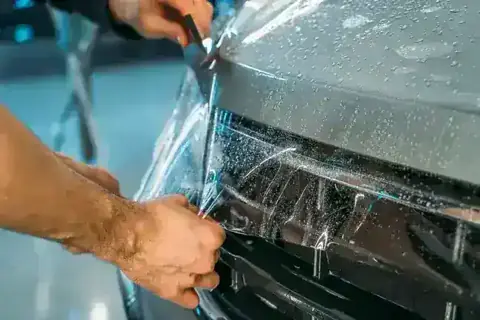
This sequence matters for one simple reason: if physical protection is your priority, the most reliable first step is paint protection film. Polishing improves appearance, ceramic coating makes maintenance easier and boosts gloss, but real protection against chips and mechanical stress is delivered most effectively by film.
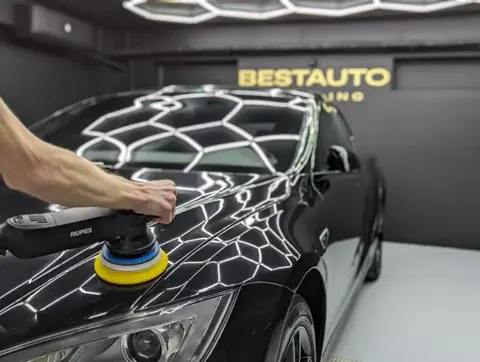
Aggressive deep car polishing is usually unnecessary on a new vehicle. But light preparation can still be appropriate. The reasons may include delivery marks, careless dealer washing, faint water spots, or light holograms visible only under strong lighting.
In that situation, the goal is not “more polishing.” The goal is creating the right base for protection. If the paint is already in very good condition, the studio may limit the process to safe washing, decontamination, and a light prep stage. If there are visible imperfections, correction is done only where needed.
This is one of the most important choices, and the answer depends on what you actually want.
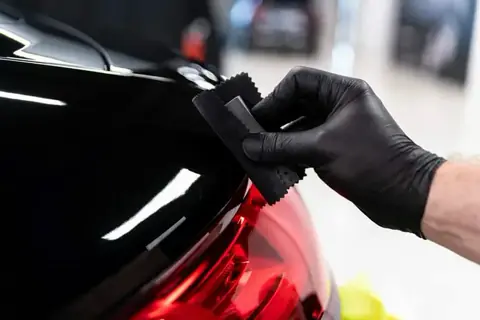
Ceramic coating does not replace PPF. It is useful and effective, but not in the same category when it comes to chips and road impact.
Not every car requires full-body coverage. In many cases, the smartest move is to protect the highest-risk areas first:
If the car is valuable, heavily used, or expected to remain in long-term ownership, full PPF becomes more logical. If the goal is to balance budget and protection, partial PPF often provides the best practical return.
The key is not just “getting film,” but choosing a trusted system and a studio that can install it correctly. In BESTAUTO’s case, the relevant brands are Llumar, LuxArmor, and Quantum. The real result depends on both the material and the installation quality.
Safe wash, decontamination, inspection, and ceramic coating on a properly prepared surface. Suitable if you want easier care and a cleaner look, but you are not focusing on chip protection first.
Partial PPF on risk areas plus ceramic coating on the rest of the body. This is often the smartest balance for a new daily-use vehicle.
Full-body PPF, ceramic coating where appropriate, and interior protection. This makes the most sense for premium, new, or long-term ownership vehicles where preserving the factory finish matters a lot.
Restoration always costs more effort because you are dealing with defects that already exist. Protection from the start works on a clean base and helps prevent the need for correction later. In practice, this is why early protection almost always feels more rational than waiting until the damage becomes visible.
A new vehicle does not only benefit from exterior protection. Interior detailing and interior protective solutions also make sense early on. Leather, eco-leather, gloss trim, steering wheel areas, center consoles, and frequently touched surfaces all age faster once everyday use begins. Starting with proper interior care helps preserve that “new car” feeling for much longer.
Common mistakes include:
Once protection is installed, the first days matter. Follow the studio’s aftercare instructions, avoid aggressive washing immediately after installation, and do not rush into rough maintenance. The more stable and calm the first phase is, the better the long-term result usually becomes.
As early as possible — ideally in the first days, before everyday use begins to leave visible marks.
It can be enough if your main goal is easier care and stronger visual effect. It is not enough if your main goal is real chip protection.
Not always, but light preparation is sometimes necessary even on a new car.
Yes, in many cases it can. This is a common part of a premium protection strategy.
For many owners, partial PPF on risk zones plus ceramic coating on the remaining painted areas is the most sensible balance.
New car detailing is not about unnecessary perfectionism. It is about acting at the one moment when protection is easiest, cleanest, and most effective — before real-life use starts leaving visible marks.
If your goal is to preserve the factory finish, reduce future restoration costs, and keep the car looking fresh for longer, then the smartest move is not to ask whether protection is needed, but to choose the right protection in the right order.
Top quality service

The guys did a fantastic polishing job, touched up the chips and removed all visible imperfections. As a bonus, they polished the headlights and also cleaned up the interior. The car looks like new…

Best service, Real professionals.

Highly recommend! Professional staff, flawless detailing, and my car has never looked better

Brought my car here for full detailed cleaning and was not disappointed! Thank you guys for your professionalism and attention to detail, my recommendation to you!

Excellent service and a strong focus on delivering results. The team was professional, attentive, and committed to providing high-quality service. I am genuinely satisfied with the overall experience…

The best service! The work was done within the agreed time frame! The best professionals! Good luck!

I had my car detailed and ceramics applied on the surface. The visible wear and tear that was on the body was impressively refreshed. I appreciate that in the services, they included one extra panel…

I was stunned by the outcome. My old Ford looks good as new and smells like nothing! Highly recommended!

great staff

I had my BMW X5 polished and dry-cleaned. I'm very pleased with the results – the bodywork looks like new after polishing, with a deep shine and minor scratches gone. The interior is clean and fresh…

Got our car patched up super quickly by them. Beka spoke great English and was very ready to discuss and help us find our best needs- did not pressure us at all to do things that we did not need.…

It's an ideal environment and situation!
It's an ideal environment and situation!

Excellent detailing! I used BestAutoDetailing – they did everything very quickly and very well, completing the job in just three days. The car was delivered in perfect condition, and their attention…
Our detailing studio will handle your task with quality
Book a consultationBook a visit
Write your phone number, we will call you back and tell you everything about the service you are interested in
Free inspection, pre-consultation and booking for main services available at both locations