Window Tinting in Georgia: Rules and Restrictions

Legal aspects, percentage of allowed tint for each type of window, fines, and the procedure for obtaining a tint permit for certain categories of vehicles.

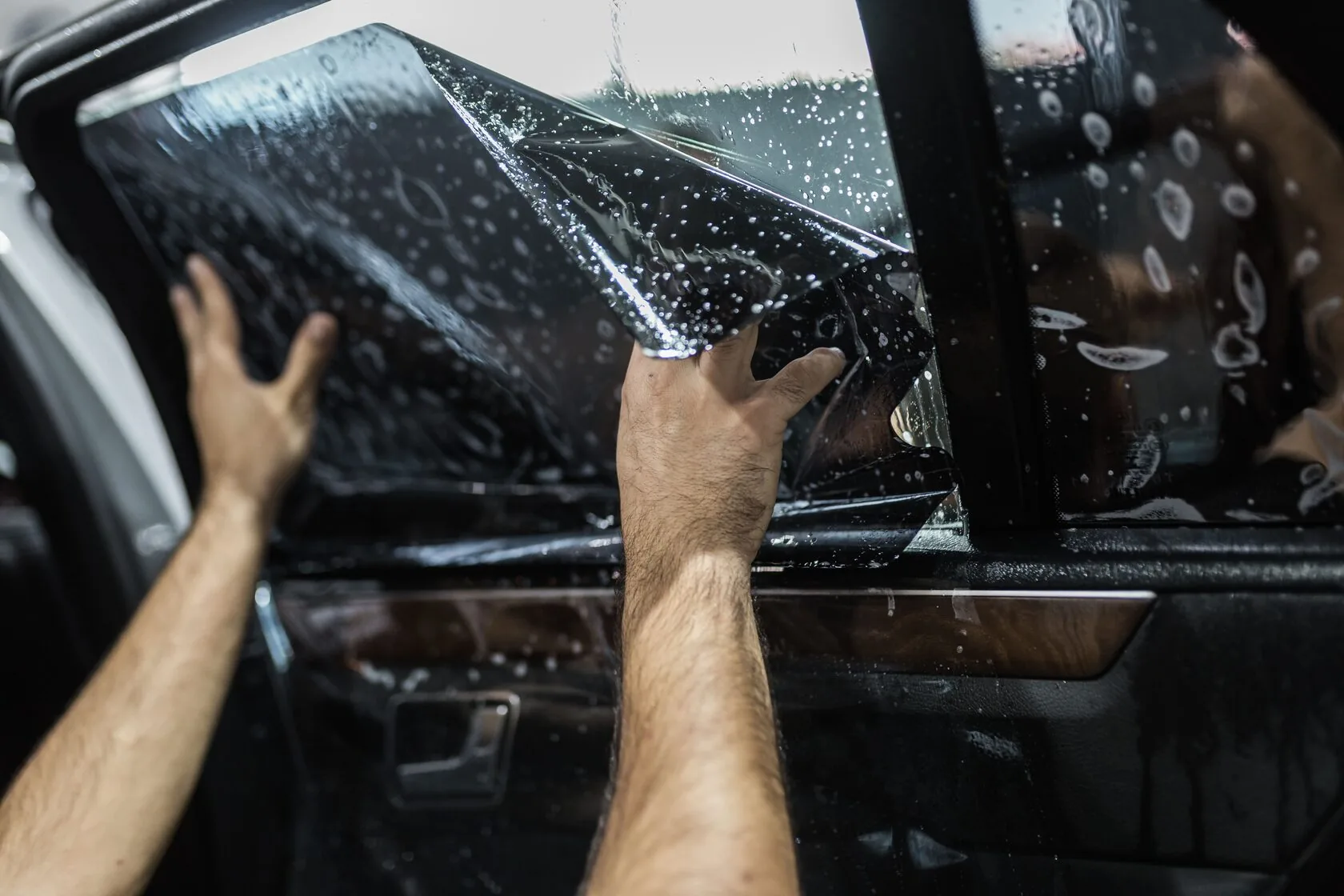
window tinting is one of the most requested services because it combines comfort, appearance, and practical benefits. The right film helps reduce cabin heat, partially protects the interior from the sun, and gives the vehicle a cleaner, more finished look. But wanting the car to be “darker and nicer” is not enough. If the tint does not comply with the current rules, the result can be fines, unnecessary costs, and having to redo the work.

That is why before tinting you need to clarify two things: what the law actually allows, and how to choose a film that remains convenient in everyday use. Most mistakes happen exactly here — drivers confuse tint percentage with light transmission, or assume that the darker the film, the better the result. In practice, a good choice is always a balance between comfort, visibility, and legal compliance.


Quick table: what is allowed in Georgia
Window typeWhat is allowedWhat to pay attention toFine / note
WindshieldOnly factory tint up to 30% is generally considered acceptableAdditional film on the windshield is the riskiest option from a legal perspectiveViolations may trigger administrative liability
Front side windowsAt least 40% light transmission, meaning tint no darker than 60%This is the zone most often checked because it directly affects visibilityExceeding the limit may lead to fines and penalty points
Side windows behind the driverTint up to 75%Rear areas are more flexible, but extremely dark film is not always practical or safeViolations may still lead to liability
Rear windowIn practice a darker result is often used, but compliance should still be checkedEspecially important if the glass includes cameras, heating elements, or antennasIt is better to confirm compatibility before installation
Why it matters to know the rules in advance

Knowing the car window tint rules saves time and money first of all. When a driver chooses film only by visual effect and ignores the legal threshold, it is not uncommon to have to remove everything and do it again after a few weeks or months. That means paying twice, wasting time, and dealing with extra stress.

The second reason is safety. Excessively dark front windows reduce visibility at night, in rain, and in poor weather. The problem is not just that the driver sees less. Other road users also find it harder to read the driver’s actions. That is why the front zone is regulated most strictly.

The third reason is practicality. A quality film does not need to be extremely dark. In many cases, it is more reasonable to choose a premium solution that reduces heat and ultraviolet exposure well without making visibility worse or causing legal issues. That is where professional consultation becomes valuable.

How to read percentages correctly

This is where confusion happens most often. Two different terms are mixed together: tint level and light transmission. If the rule says that front side windows must have at least 40% light transmission, that means the window must still allow at least 40% of light through. In practical language, people often describe the same thing by saying the tint should not exceed 60%.

These are two ways of explaining the same rule. That is why whenever a studio says “50%,” you should clarify what that number refers to: the visual tone of the film itself, the total result after installation, or the final light transmission of the entire glass assembly.

Factory glass already reduces some light on its own. That means the exact same film can produce different final numbers on different cars.

Windshield tint: the most sensitive area

The windshield is the most legally sensitive zone. In practice, this is where mistakes create the highest risk. Extra film on the windshield is the most problematic choice from a compliance standpoint, which is why this area requires the most caution.

This also makes sense from a safety perspective. The windshield defines forward visibility in daytime, at night, in rain, and in low-contrast conditions. Even if a darker look seems appealing, windshield repair is rarely a smart practical decision.

Front side windows: the most controversial section

The front side windows are where most legal questions and most inspections usually focus. These windows directly affect side visibility, interaction with other traffic participants, and the ability to drive safely in changing conditions.

This is why they should be approached carefully. A film that looks acceptable in a photo may produce a final result that is too dark once combined with the natural tint of the factory glass.

Rear glass: more freedom, but not without limits

Rear side windows and the rear windshield are generally more flexible, but “more freedom” does not mean “anything goes.” There are still practical and sometimes legal considerations. Extremely dark rear glass may create issues depending on the vehicle configuration and the way the car is used.

It is especially important to think about integrated systems such as heating elements, cameras, antennas, and visibility in real daily driving, not only the visual effect from the outside.

How compliance is checked

Compliance is not judged by how dark the car looks in a parking lot. It is about the actual measured or regulated level of transmission and how the final configuration fits the rules.

This is why serious studios do not choose tint only “by eye.” They take into account the starting glass, the film properties, and the legal target. The correct question is not “How dark can you make it?” but “What final result will stay comfortable and lawful?”

Fines and liability

If the tint exceeds the permitted level, the issue is not just appearance. The driver may face administrative liability, fines, and in some cases penalty points. That is precisely why “I’ll just try something darker” is usually a poor strategy.

When the legal threshold is exceeded, the most common practical outcome is wasted money: the film has to be removed, re-selected, and installed again.

Exceptions and special cases

Some vehicles may have special configurations, built-in systems, or factory solutions that require additional care when tint is chosen. That is why the best practical approach is always to evaluate the exact car, not only rely on general assumptions.

If the glass includes electronics, heating, cameras, or other built-in elements, the tint solution should be selected with that configuration in mind.

The most common tinting mistakes

The most common mistakes are:

  • confusing tint percentage with light transmission;
  • assuming that darker automatically means better;
  • choosing film only by the way it looks from outside;
  • ignoring the effect of factory glass;
  • failing to account for night driving and bad weather;
  • trusting installation without clarifying what the final legal result will be.

Each of these mistakes can turn a useful service into an unnecessary problem.

How to choose the right solution

The right solution is usually the one that gives you:

  • legal compliance;
  • stable daily comfort;
  • acceptable visibility;
  • reduced heat and UV exposure;
  • a visually balanced result.

In other words, the best tint is not the darkest one. It is the one that works well in the real conditions you drive in.

Conclusion

Window tinting in Georgia should be approached as a balance between comfort, practicality, and law. The rules matter, the percentages matter, and the final result should be considered not only visually but functionally.

If you want the tint to be worthwhile in the long run, the smart path is simple: understand what is allowed, choose the film accordingly, and make sure the studio calculates the final result rather than guessing by appearance alone.

Order professional car window tinting service

Our detailing studio gets things done to a good quality
Real reviews from our clients
Google Reviews
4.8 ★★★★★ (185)
View all reviews on Google
Why Choose Our Detailing Center?
You'll love the result
  • 5 Years of Detailing Experience
    Professional wrapping of hundreds of cars of different makes and models
  • 2 Studios in Tbilisi
    Guramishvili 78 and Anna Politkovskaya 51 — choose a convenient location
  • 2,000 Satisfied Clients
    Hundreds of reviews, 4.9★ rating on Google
  • 10-Year Film Warranty
    We cover peeling, yellowing, and material defects

Order professional window tinting

Our detailing studio will handle your task with quality

Book a consultation

Choose the nearest studio
for a free consultation

Free inspection, pre-consultation and booking for main services available at both locations

BESTAUTO Guramishvili
Tbilisi, Guramishvili Ave. 78
BESTAUTO Guramishvili

Tbilisi, Guramishvili Ave. 78

+995 550 000 299
Mon–Sat 10:00 – 20:00
Enter phone in international format: +995 5XX XXX XXX
Request sent!
We will call you back within 15 minutes.
Or call us: +995 550 000 299
BESTAUTO Saburtalo
Tbilisi, Anna Politkovskaya St. 51
BESTAUTO Saburtalo

Tbilisi, Anna Politkovskaya St. 51

+995 550 000 199
Mon–Sat 10:00 – 20:00
Enter phone in international format: +995 5XX XXX XXX
Request sent!
We will call you back within 15 minutes.
Or call us: +995 550 000 199
Chat on WhatsApp
Choose your studio
Guramishvili Studio
78 Guramishvili St
Saburtalo Studio
51 Anna Politkovskaya St
Book a Free Inspection