What Computer Diagnostics Can Reveal About a Car

Problems identified during diagnostics, the advantages of the method, when to use the service

Computer diagnostics are no longer just about “reading and clearing codes.” A modern car is a network of sensors, control modules, and software logic, so a properly performed scan can do much more than explain why the Check Engine light came on. In many cases it helps identify a deeper problem before it becomes obvious during daily driving.

That is why diagnostics are useful not only when a warning light is already on. They also make sense when the car starts poorly, feels sluggish on acceleration, consumes more fuel than usual, shifts harshly, shows unusual messages on the dashboard, or is being checked before purchase. Good diagnostics save time, reduce guesswork, and help narrow down the real source of the problem.

What Computer Diagnostics Actually Do

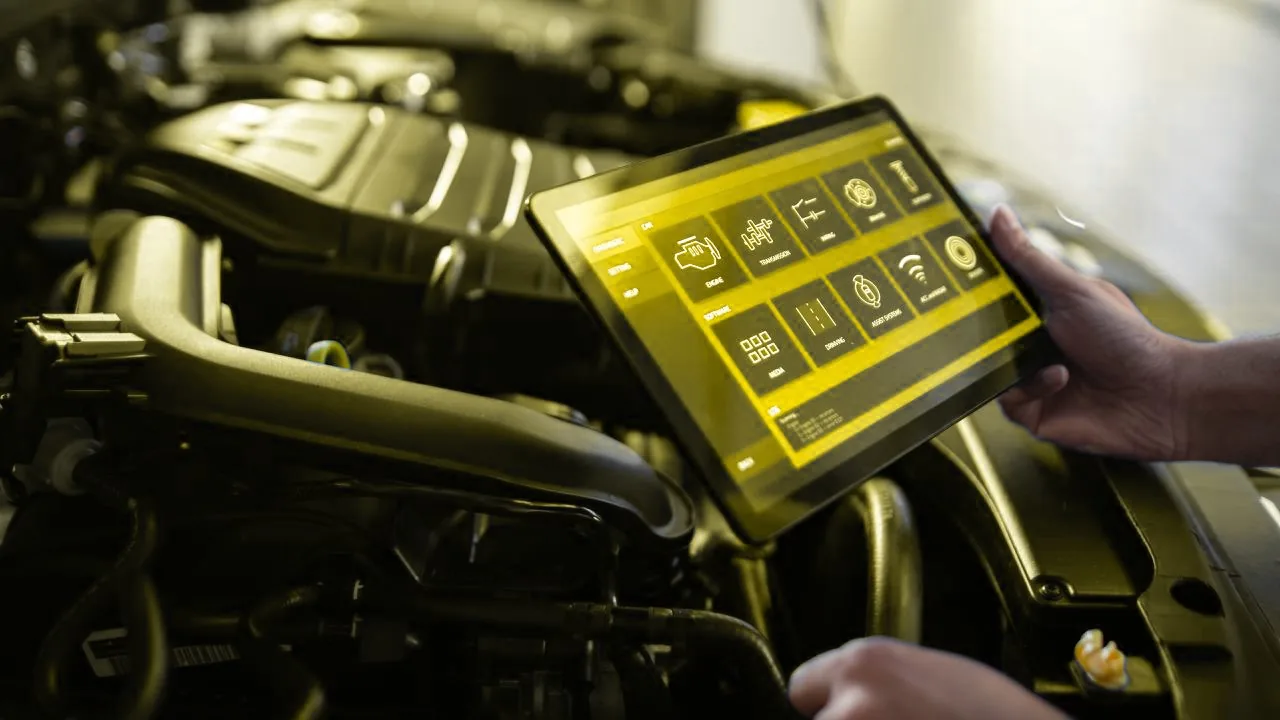
During computer diagnostics, a technician connects to the vehicle’s diagnostic port and reads data from different electronic modules. In simple terms, the scanner accesses the information the car is already collecting while it runs. This may include active faults, stored codes, current parameters, sensor readings, system statuses, and test results for some actuators.

Proper diagnostics involve more than just seeing a code on the screen. The same code can have different root causes. For example, a fault related to fuel mixture, misfires, or airflow does not automatically mean one specific sensor must be replaced. In many cases the specialist needs to compare live readings, look at how often the fault appears, review the history, and relate the data to the symptoms the driver is noticing.


Which Systems Can Be Checked

Computer diagnostics typically provide useful information on the following major systems:

  • engine management;
  • transmission electronics;
  • ABS and stability systems;
  • Airbag / SRS;
  • cooling system sensor data;
  • emissions-related systems;
  • selected electrical and comfort systems;
  • battery, charging, and energy-management data on some models.

This means diagnostics often help explain why Check Engine is on, why an ABS or Airbag fault appeared, why the engine runs unevenly, or why the gearbox entered limp mode. But it is important to remember that a fault code and the exact root cause are not the same thing. A good technician looks at the code in context.

What Types of Faults May Appear

Most owners come in for diagnostics because of symptoms such as a Check Engine light, unstable engine operation, increased fuel consumption, harsh gear changes, loss of power, or strange messages on the dashboard. In such cases, the scan may reveal several categories of faults.

1. Engine-Related Faults

These often include misfires, fuel mixture problems, oxygen sensor issues, incorrect mass airflow readings, turbo control deviations, or emissions-system faults. Such codes may directly affect drivability, fuel economy, and emissions performance.

2. Transmission Faults

If an automatic gearbox shifts late, hits hard, enters limp mode, or behaves inconsistently, diagnostics may point to solenoid faults, pressure issues, speed-sensor problems, or internal communication errors. Quick diagnostics are especially valuable here because delay can turn a smaller problem into a much more expensive repair.

3. ABS, ESP, and Braking System Codes

When ABS or stability-control lights come on, the cause may be a wheel-speed sensor, damaged wiring, an internal module fault, or a mismatch in the signal logic. These faults matter not only for comfort, but also for safety, because the systems are most important in emergency conditions.

4. Airbag / SRS Problems

An Airbag or SRS fault often means the passive safety system may not work as intended. The cause may be connectors, seat sensors, belt pretensioners, a previous accident history, or a problem with the module itself. This is not a warning that should be ignored.

5. Battery, Charging, and Energy-Management Faults

On many modern cars, low voltage, battery aging, charging issues, or unstable energy management can trigger a chain of electronic symptoms. One weak battery can cause multiple modules to store faults, so accurate interpretation matters.

When You Should Do Diagnostics Without Delay

It makes sense to schedule diagnostics quickly if you notice any of the following:

  • Check Engine is on;
  • ABS, ESP, or Airbag warnings appear;
  • the car starts badly or stalls;
  • the engine idles unevenly;
  • fuel consumption suddenly increases;
  • the transmission shifts abnormally;
  • the car loses power under load;
  • the cooling fan, climate system, or electrical equipment behaves strangely;
  • you are about to buy a used vehicle.

The earlier the problem is checked, the higher the chance of solving it with less time, less money, and less unnecessary parts replacement.

What a Scanner Alone Cannot Tell You

A scanner is a powerful tool, but it does not replace professional diagnosis by itself. It cannot physically inspect worn bushings, leaking seals, cracked hoses, broken mounts, or mechanical damage hidden behind a fault code. It also cannot always distinguish between a faulty component and a secondary consequence of another issue.

That is why proper diagnostics often combine three things:

  • fault-code reading;
  • live-data analysis;
  • visual and practical inspection.

Without that full approach, the result may be superficial.

Why You Should Not Just Clear the Fault Without Finding the Cause

Many drivers make the mistake of clearing a warning light and considering the problem solved. Sometimes the light disappears for a while, but the real issue remains. In the best case it comes back later. In the worst case it gets worse while the owner assumes everything is fine.

Clearing a code without understanding why it appeared is rarely a good strategy. A code should first be interpreted, then confirmed against symptoms and live data, and only after that should decisions be made about repair.

Diagnostics Before Buying a Car

A pre-purchase diagnostic check is one of the smartest reasons to run a scan. Even if the car seems fine during a short test drive, stored faults may reveal transmission issues, intermittent engine problems, safety-system faults, or signs of prior poor repairs.

Diagnostics before purchase are especially useful when:

  • the car is recently imported;
  • the dashboard has warning messages;
  • the service history is unclear;
  • the seller says “everything is perfect” but something feels off;
  • you want to avoid buying a car with hidden electronic problems.
How Much Computer Diagnostics Cost

BESTAUTO’s current starting price for full computer diagnostics is 50 GEL. Final scope may depend on the vehicle, the systems being checked, and whether further analysis is needed after the scan.

That starting figure makes diagnostics one of the most practical first steps whenever an electronic or drivability issue appears.

When Diagnostics Make the Most Sense

Computer diagnostics are most useful at four points:

  • when a warning light comes on;
  • when behavior changes but the warning light is not yet on;
  • before buying a used car;
  • after repairs, if you want to verify system status.

Waiting until the car becomes almost undrivable is rarely the best approach.

FAQ
Does every fault mean a part has to be replaced?

No. A code points to a problem area, not always to one exact part. Interpretation matters.

If Check Engine is no longer on, is diagnostics still useful?

Yes. Many faults remain stored in memory even after the light disappears.

How long does diagnostics take?

It depends on the car and the issue, but the scan itself is usually quick. More time may be needed for correct interpretation.

Can a phone app give the same result?

Not really. Consumer apps may show basic codes, but they usually do not provide the same depth, system coverage, or interpretation as a proper professional diagnostic session.

What Data a Specialist Looks at in Real Time

A proper technician does not rely only on stored codes. They also look at live data such as:

  • fuel trims;
  • engine temperature;
  • airflow readings;
  • oxygen sensor activity;
  • boost pressure where relevant;
  • battery voltage;
  • gearbox behavior on supported vehicles;
  • wheel-speed signals for ABS-related issues.

This is often the difference between guessing and diagnosing.

The Most Common Mistake in How People Judge Diagnostics

The biggest mistake is thinking diagnostics are valuable only when they produce one clear code with one clear answer. In reality, diagnostics are about building the correct direction for the next step. Sometimes that direction is “replace this sensor.” Sometimes it is “inspect wiring,” “check for vacuum leaks,” or “confirm a mechanical issue.”

That is why good diagnostics are not about the scanner alone. They are about how the scan results are interpreted in the real context of the car.

Order professional car diagnostic test

Our detailing studio gets things done to a good quality
Real reviews from our clients
Google Reviews
4.8 ★★★★★ (185)
View all reviews on Google
Why Choose Our Detailing Center?
You'll love the result
  • 5 Years of Detailing Experience
    Professional wrapping of hundreds of cars of different makes and models
  • 2 Studios in Tbilisi
    Guramishvili 78 and Anna Politkovskaya 51 — choose a convenient location
  • 2,000 Satisfied Clients
    Hundreds of reviews, 4.9★ rating on Google
  • 10-Year Film Warranty
    We cover peeling, yellowing, and material defects

Order professional diagnostics

Our detailing studio will handle your task with quality

Book a consultation

Choose the nearest studio
for a free consultation

Free inspection, pre-consultation and booking for main services available at both locations

BESTAUTO Guramishvili
Tbilisi, Guramishvili Ave. 78
BESTAUTO Guramishvili

Tbilisi, Guramishvili Ave. 78

+995 550 000 299
Mon–Sat 10:00 – 20:00
Enter phone in international format: +995 5XX XXX XXX
Request sent!
We will call you back within 15 minutes.
Or call us: +995 550 000 299
BESTAUTO Saburtalo
Tbilisi, Anna Politkovskaya St. 51
BESTAUTO Saburtalo

Tbilisi, Anna Politkovskaya St. 51

+995 550 000 199
Mon–Sat 10:00 – 20:00
Enter phone in international format: +995 5XX XXX XXX
Request sent!
We will call you back within 15 minutes.
Or call us: +995 550 000 199
Chat on WhatsApp
Choose your studio
Guramishvili Studio
78 Guramishvili St
Saburtalo Studio
51 Anna Politkovskaya St
Book a Free Inspection